How does a Dragon deck work in Commander?
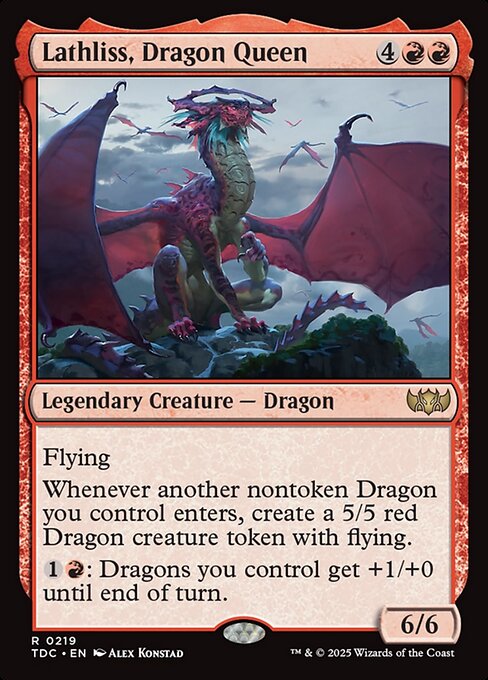
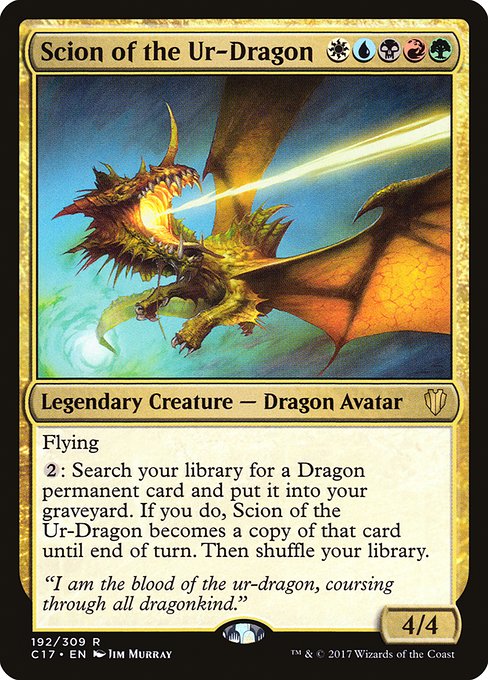
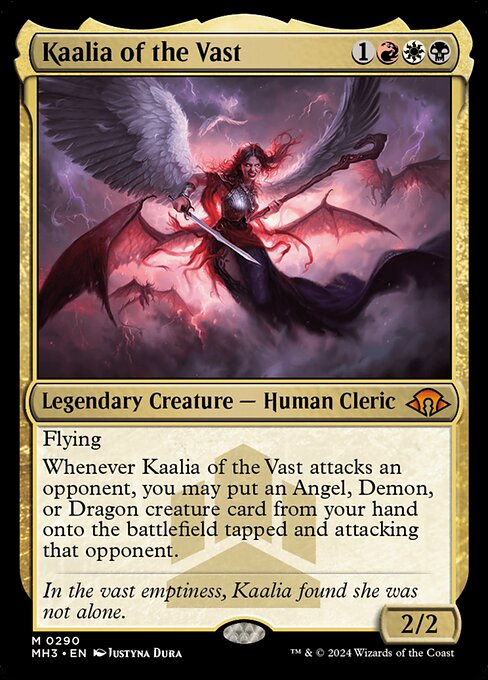
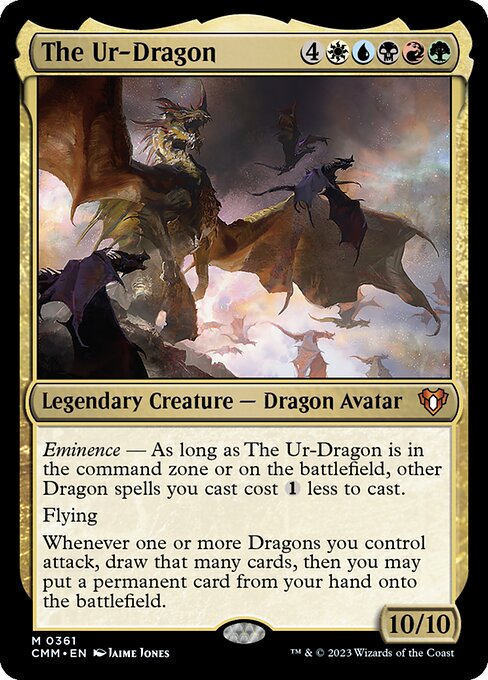
Dragons cost five, six or seven mana, so a Dragon deck is first of all a ramp deck. It spends the early turns on mana and the later turns casting a Dragon every turn, each one triggering the next. The commander usually makes that cheaper (The Ur-Dragon, Ganax), doubles the payoff (Miirym, Lathliss) or skips the cost entirely (Kaalia, Ureni).
How a Dragon deck wins
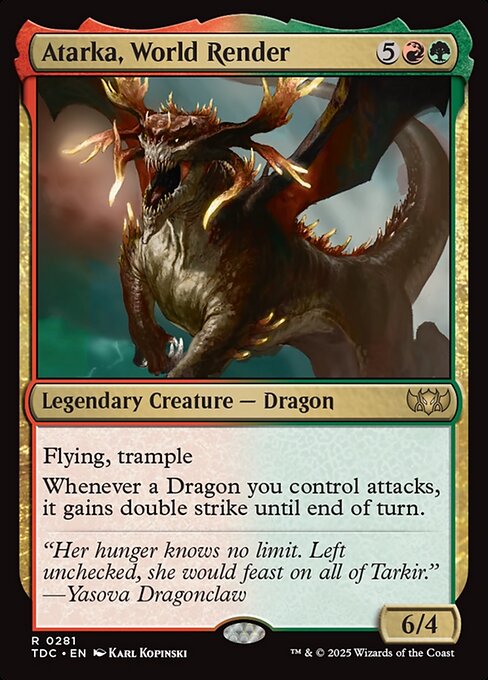
- Flying damage. Several big flyers end a game in two or three attacks; Atarka’s double strike does it in one.
- Enter triggers. Scourge of Valkas and Dragon Tempest deal damage whenever a Dragon enters — doubled by Miirym.
The card types a Dragon deck needs
- Ramp: 12 or more sources, more than an average deck. Treasures, mana rocks and land ramp all count.
- Cost reducers like Dragonlord’s Servant and Urza’s Incubator.
- Card draw that rewards big creatures, such as Garruk’s Uprising or Elemental Bond.
- Cheap interaction: the early turns need removal that doesn’t cost the whole turn.
Strengths and weaknesses
Few decks match a Dragon deck once it is running: big flyers, every one with an ability. The risk is the start. A hand without ramp does nothing for four turns, and a board wipe costs a lot of expensive cards. Keep the curve in mind — a Dragon deck still needs things to do on turns two and three.
Common mistakes
- Too many Dragons, too little ramp. 25 to 30 Dragons are plenty; the rest is ramp, draw and removal.
- Only seven-drops. A few cheaper Dragons keep the curve playable.
- Greedy mana bases. In five colors, tapped lands and missing colors cost more games than a weak Dragon.
Who enjoys Dragons?
Players who like big creatures, big turns and a deck that feels powerful once it gets going. Dragons are also a popular first typal deck, because the plan is easy to understand.



 Complexity: MediumHigh power