How does poison work in Commander?
A player with ten or more poison counters loses the game, whatever their life total. Commander starts everyone at 40 life, so ten counters is a much shorter road — and lifegain doesn’t help against it. Poison counters stay for the whole game.
Poison, infect, toxic and proliferate — not the same thing
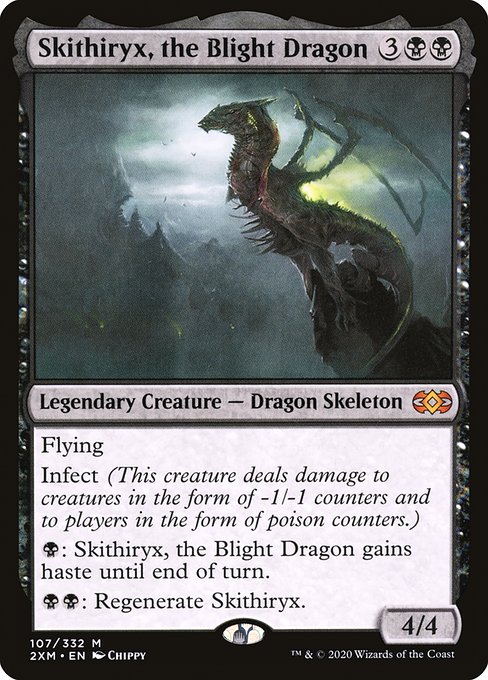
- Infect: the creature deals damage to players as poison counters and to creatures as -1/-1 counters. It deals no normal damage at all.
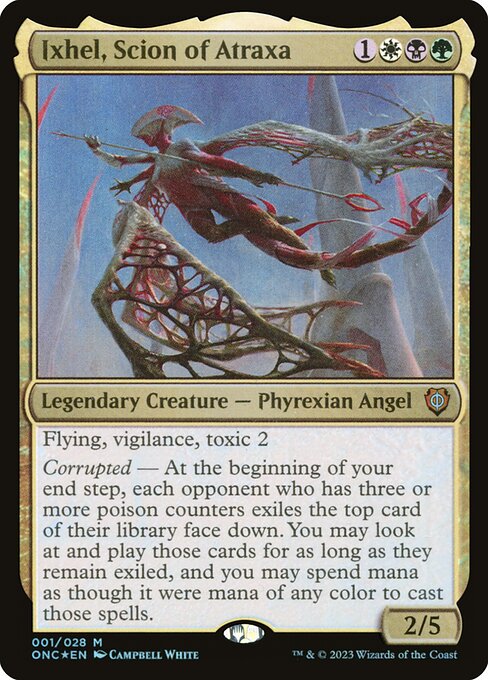
- Toxic N: the creature deals normal combat damage, and a player it damages also gets N poison counters. Toxic only works in combat.
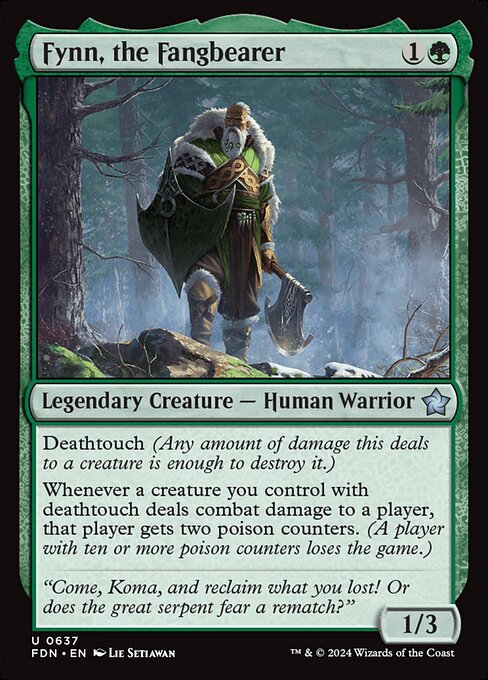
- Other poison effects: Fynn gives two counters for deathtouch hits; some spells give poison counters directly.
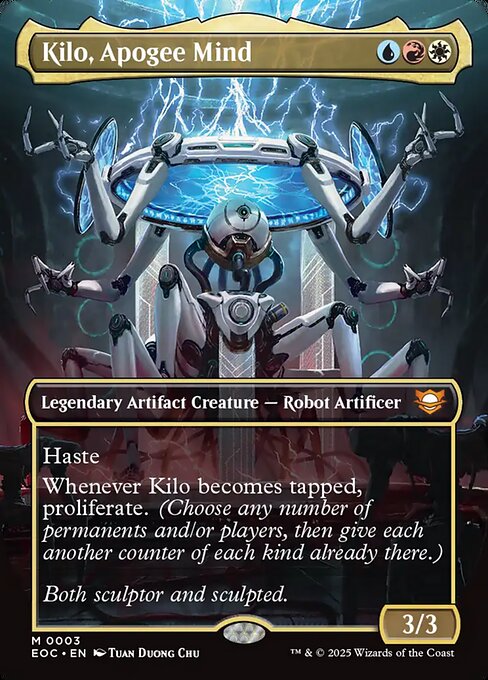
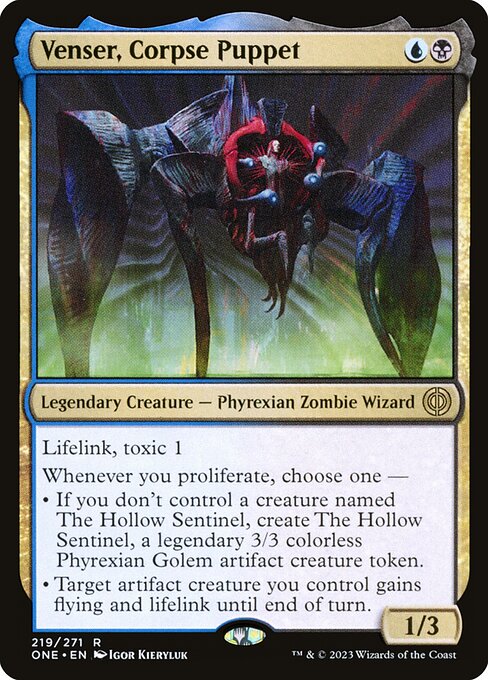
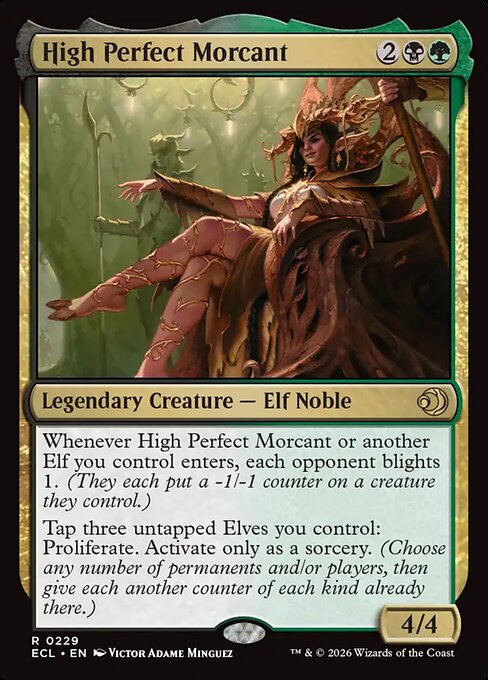
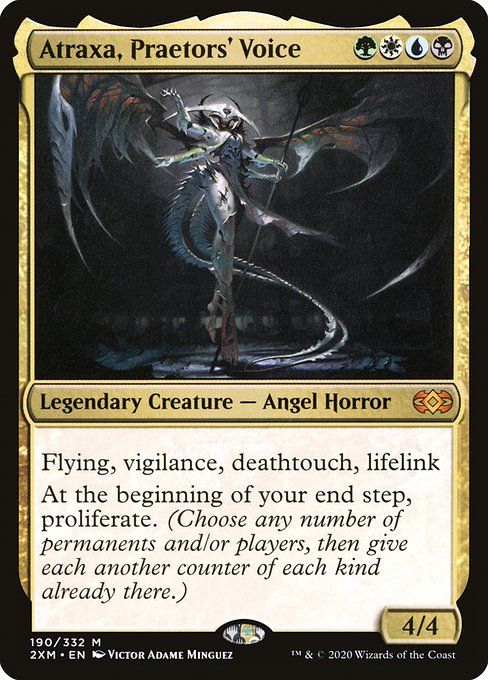
- Proliferate adds one more counter of each kind that a player or permanent already has. It doesn’t start poison — it multiplies it. Corrupted abilities turn on once an opponent has three or more poison counters.
How a poison deck wins
- Infect beats: a few evasive infect creatures with pump spells. Triumph of the Hordes gives the whole team infect for one turn.
- Toxic and proliferate: many small poison sources, then proliferate every turn until the counters add up.
- A poison commander: Skithiryx needs three hits, fewer with pump.
Strengths and weaknesses
Poison ignores life totals and lifegain, and it often needs only half the damage. But infect creatures are small and fragile, and a deck split between normal damage and poison wins with neither. Many tables also see poison as a hostile plan and turn on it early — say before the game that you play it.
Common mistakes
- Too few poison sources. Proliferate does nothing until the first counter lands.
- Spreading counters evenly. Finishing one player is better than three players at six counters each.
- Mixing plans. A few infect creatures in a normal deck rarely finish anyone.
Who enjoys poison?
Players who like an alternative win condition and counting to ten instead of 160. It rewards focus: pick a target and keep pressure on it.



 Complexity: MediumHigh power